


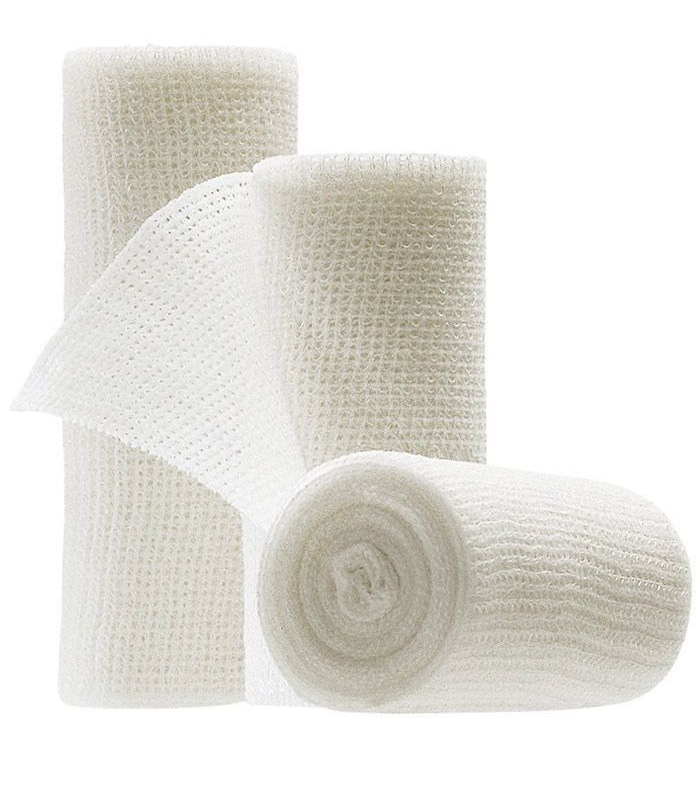
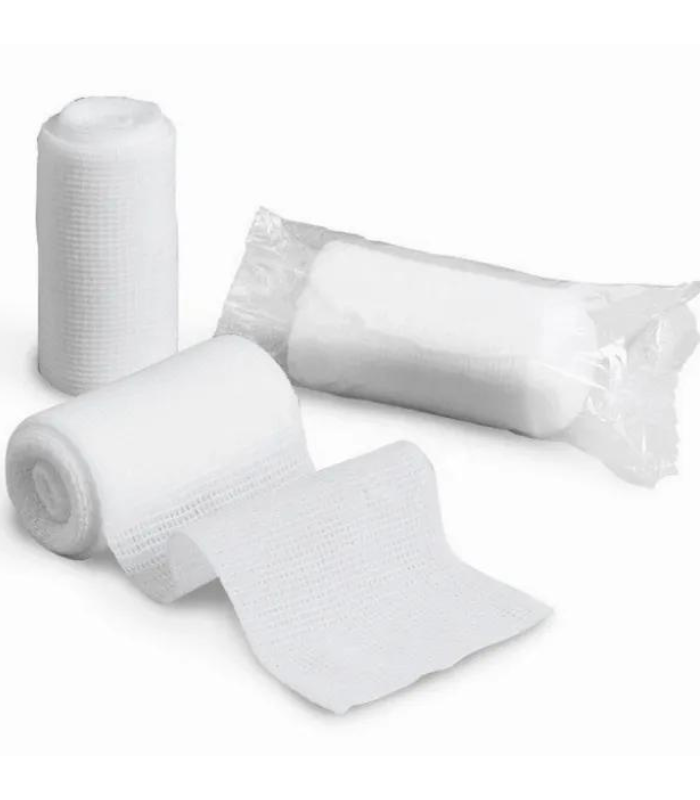
Cotton Bandage (Safe Care)
- Natural Start: Made from cultivated and harvested cotton.
- Clean & Soft: Fibers undergo cleaning for a gentle touch on skin.
- Woven for Function: Transformed into absorbent, breathable fabric.
- Sterilized Safety: Rigorous process ensures infection prevention.
- Ready to Heal: Packaged for safe storage and use in first-aid kits.
Cotton Bandage (Safe Care): Production from Field to First-Aid Kit
The humble cotton bandage, a mainstay in medical care and first-aid kits, undergoes a journey from a natural fiber to a sterile medical product. Let’s delve into the key stages of its production, ensuring it arrives ready to support your healing process.
1. Cultivation and Harvesting:
The journey begins in vast cotton fields. Cotton plants are meticulously cultivated, with farmers ensuring optimal growing conditions for healthy fiber production. Once mature, the cotton bolls are harvested mechanically or by hand. The harvested bolls are then ginned, a process that separates the fluffy white cotton fibers from the seeds and other plant matter.
2. Cleaning and Processing:
The raw cotton fibers undergo a series of cleaning processes to remove impurities like dirt, leaves, and residual seeds. This ensures the final bandage is soft, gentle on the skin, and free of potential irritants. The cleaned fibers are then carded, a process that aligns them into a smooth, continuous sheet.
3. Weaving and Converting:
The carded cotton sheets are fed into weaving machines that transform them into a gauze-like fabric. This fabric possesses the essential qualities of a bandage – it’s absorbent, breathable, and allows for some flexibility. Depending on the desired thickness and purpose, the fabric may be further processed or cut into specific bandage sizes.
4. Sterilization and Packaging:
To prevent infection when applied to wounds, cotton bandages undergo a rigorous sterilization process. This typically involves exposure to high-pressure steam (autoclaving) or ethylene oxide gas. Once sterilized, the bandages are individually or bulk-packaged in sealed pouches to maintain sterility until use.
5. Quality Control and Distribution:
Throughout the production process, the cotton bandages undergo stringent quality checks to ensure they meet specific safety and performance standards. Only bandages that pass these checks are packaged and distributed to medical facilities, pharmacies, and retailers, eventually finding their way into your first-aid kit.
Safe Care for Optimal Use:
While cotton bandages are generally safe for most applications, following safe care practices is crucial. Always follow healthcare professional instructions for wound care and dressing changes. Be mindful of potential allergies to cotton and choose the appropriate size and type of bandage for your specific needs. By understanding the production process and practicing safe care, you can maximize the effectiveness of cotton bandages in supporting your healing journey.
Related products

Cotton Roll (Indus)
- Natural Fibers: Made from cultivated and harvested cotton.
- Cleanliness Tailored: Cleaning process adjusts based on intended industrial use.
- From Sheet to Web: Carded cotton transforms into continuous webs.
- Precise Cutting: Large sheets are cut into specific widths for rolling.
- Tightly Wound: Specialized machinery creates the familiar cylindrical shape.
- Protected & Distributed: Packaging ensures safe transport and storage for various industry applications.
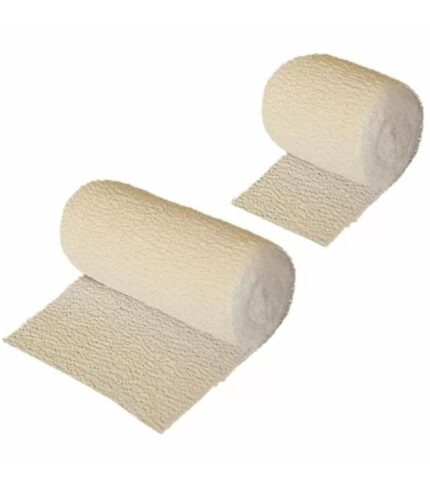
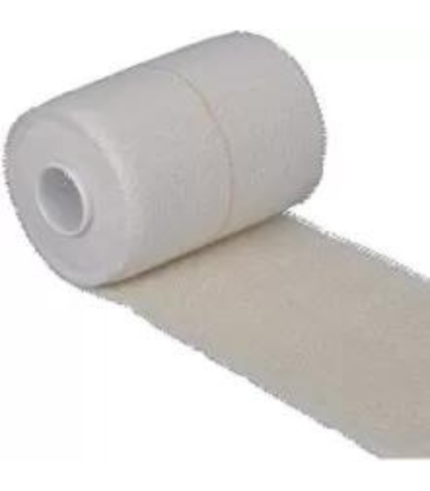
Crepe Bandage (Safe Care)
- Soft & Breathable Crepe: Comfortable fabric allows air circulation and conforms to your body.
- Supports Injuries: Provides gentle compression to reduce swelling and pain in sprains, strains, etc.
- Easy to Use: Hand-tearable and self-adhering for convenient application.
- Reusable (Limited): Washable and reusable if elasticity and cleanliness are maintained.
- Safe Care: Choose the right size, monitor circulation, and follow healthcare professional guidance (if needed).
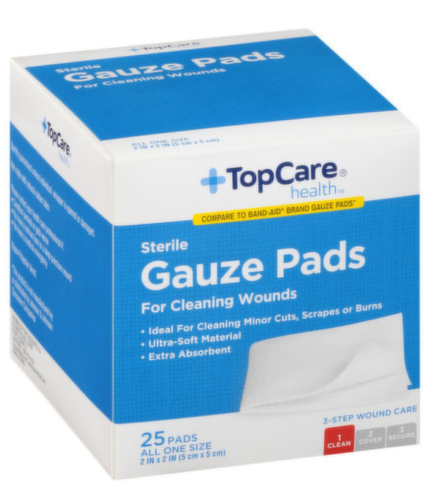
Gauze Pad (Bread)(Safe Care)
-
- Absorbent: Made from a woven fabric that effectively soaks up blood and other bodily fluids from wounds.
- Sterile: Packaged sterile to minimize the risk of infection when applied to open wounds.
- Disposable: Intended for single-use to prevent contamination and maintain hygiene.
- Variable Sizes: Available in various sizes to accommodate different wound sizes and applications.
- Breathable: Allows air circulation to promote healing while still protecting the wound.
- Conformable: Soft and flexible enough to conform to different body contours for comfortable wear.

Me Soft USP
- Superior Absorbency: Made from 100% pure cotton fibers for effective fluid and exudate management.
- Ultra-Soft Texture: Gentle on sensitive skin, minimizing irritation and discomfort.
- Versatile Use: Ideal for wound dressing, padding, cleaning, and cushioning in medical and home care settings.
- Medical-Grade Quality: Meets USP standards for purity and safety, ensuring reliable and trusted performance.

Medi Band
- Optimal Support and Compression: Provides reliable support and compression for injuries, sprains, and post-surgical recovery.
- High-Quality Materials: Made from stretchable, breathable fabrics for comfort and durability.
- Easy Application: Features a user-friendly fastening system for quick and adjustable fit.
- Versatile Use: Suitable for various settings including hospitals, clinics, and home care.

Medi Crepe
- Elastic Support: Provides effective support and compression for injuries, sprains, and post-surgical care.
- Durable and Stretchable: Made from a blend of durable materials that adapt to body contours and movements.
- Breathable and Comfortable: Soft fabric minimizes irritation and maintains a healthy skin environment.
- User-Friendly Design: Easy to apply, secure, and adjust, available in various sizes for versatile use.
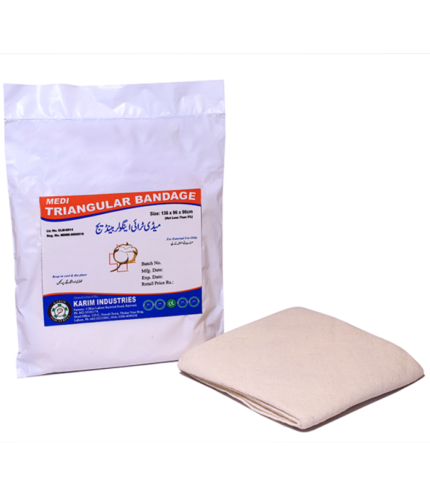
Medi Triangular Bandage
- Versatile Use: Ideal for immobilizing limbs, providing support, and applying pressure to wounds.
- Durable Cotton Fabric: Made from high-quality cotton for reliable support and comfort.
- Breathable and Adjustable: Soft, breathable material conforms to body parts for easy application.
- Sterile Packaging: Individually wrapped to maintain cleanliness and hygiene until use.

Reviews
There are no reviews yet.