


Demystifying the Insulin Syringe: A User's Guide
Living with diabetes can involve managing your insulin intake, and for many, insulin syringes are a vital tool. Whether you’re newly diagnosed or have been using them for some time, this blog post aims to answer your questions and provide a user-friendly guide to insulin syringes.
What is an Insulin Syringe?
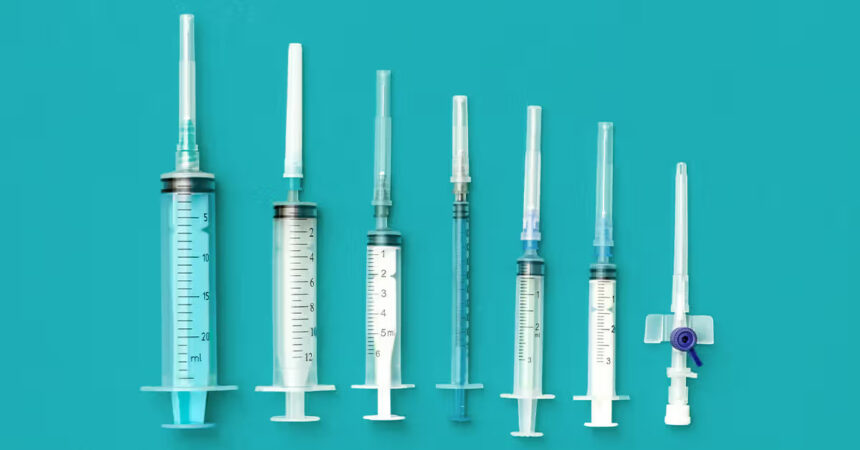
An insulin syringe is a small, sterile device used to inject insulin, a hormone essential for regulating blood sugar levels. It consists of three main parts:
- Needle: A thin, sharp needle that delivers the insulin into the fatty tissue beneath the skin (subcutaneous injection).
- Barrel: A long, thin tube marked with graduations in milliliters (mL) or units to measure the correct insulin dose.
- Plunger: A smooth-fitting rod that pushes the insulin out of the barrel through the needle.
Types of Insulin Syringes:
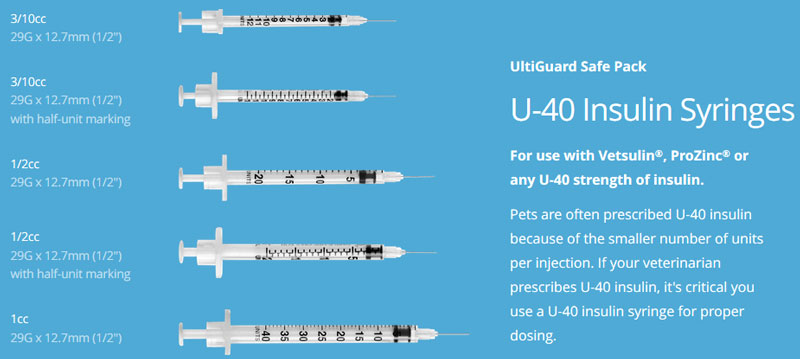
Insulin syringes come in various sizes, depending on the amount of insulin you need to inject. They typically range from 0.3 mL to 1.0 mL, with markings calibrated for specific insulin types (U-100 or U-40). Discuss the appropriate size with your doctor or diabetes educator.
Using an Insulin Syringe Safely and Effectively:
- Wash your hands thoroughly with soap and water before handling the syringe.
- Prepare the injection site: Clean the chosen area on your abdomen, thigh, or arm with an alcohol swab and allow it to dry completely.
- Draw the correct insulin dose: Follow your doctor’s instructions and ensure you measure the precise amount of insulin needed.
- Inject the insulin at a 90-degree angle: Pinch a fold of skin at the injection site and insert the needle at a 90-degree angle.
- Push the plunger slowly and steadily: Inject the insulin according to your doctor’s instructions.
- Dispose of the syringe safely: Never reuse needles. Use a designated sharps container for safe disposal.
Additional Tips:
- Rotate injection sites: Change the injection site regularly to avoid irritation or scar tissue formation.
- Store insulin syringes properly: Keep them unopened in a cool, dry place (not the refrigerator) unless otherwise directed by your doctor.
- Travel with insulin syringes: Always carry a doctor’s note explaining your need for syringes if traveling by air.
Conclusion:
Insulin syringes play a crucial role in managing diabetes for many people. This guide should equip you with the basic knowledge and confidence to use them safely and effectively. If you have any further questions, don’t hesitate to speak to your healthcare provider.